
10 Signs You Need to Replace Your A/C System
Clear signs that point toward smart cooling decisions instead of costly guesswork

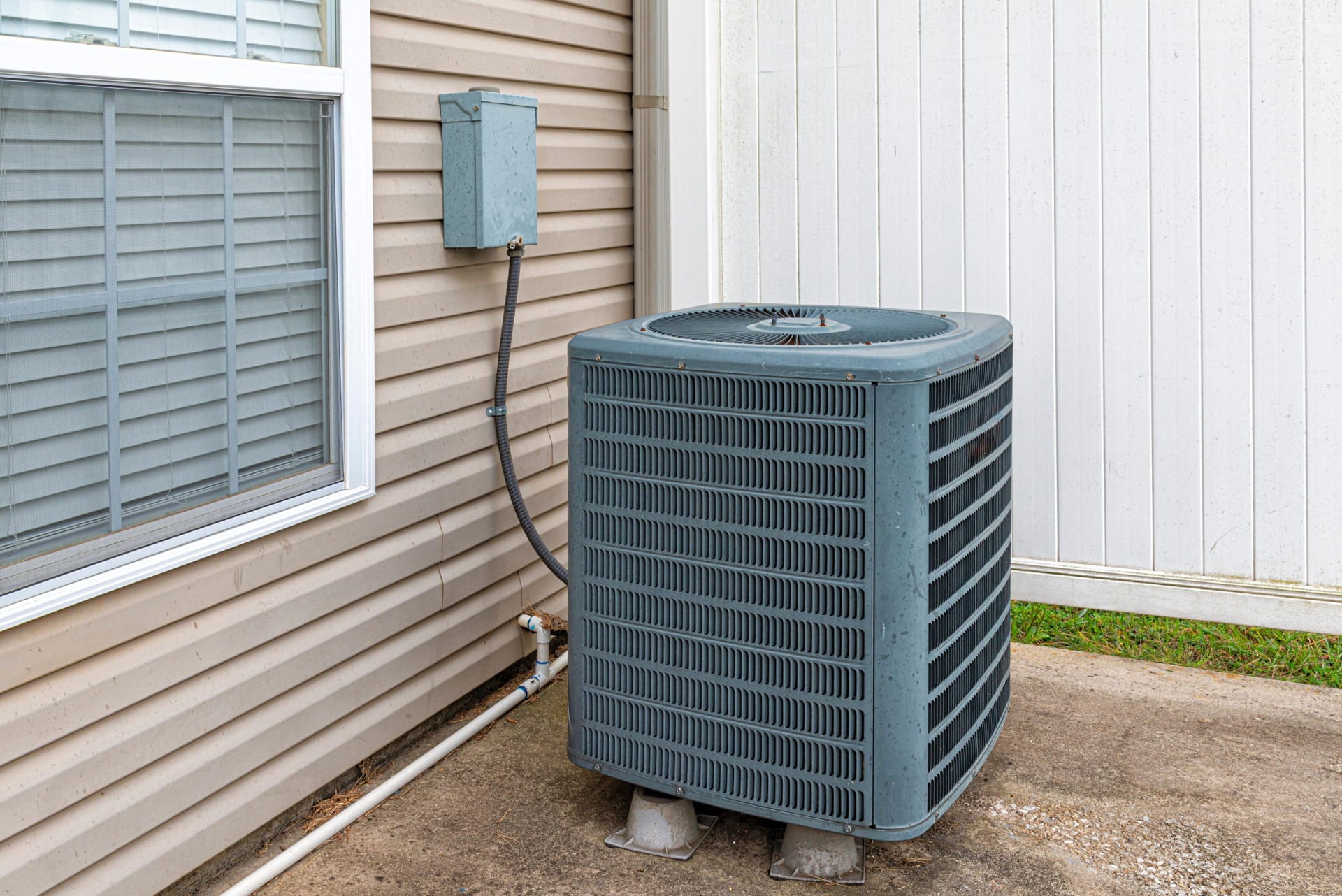
Cooling systems eventually reach a stage where quick fixes no longer answer the real problem. Homeowners and business owners often face a moment where choosing whether to repair or replace an A/C system requires clarity, not urgency. Understanding which signals lean toward repair and which suggest replacement helps avoid wasted spending. Tropical Air Kare technicians explain that smart choices come from comparing performance, long-term costs, and system dependability rather than reacting to a single failure.
Repair or Replace an A/C System Decisions
Real-life conditions usually make the answer more obvious than expected. A unit that cools consistently but needs one targeted repair presents a different situation than a system that struggles every summer and demands constant service. Tropical Air Kare frequently encounters systems that seem repairable at first glance but reveal deeper wear during inspection. Careful evaluation allows owners to move toward realistic outcomes instead of temporary relief.
Short-term fixes compared to lasting improvements
Hidden mechanical issues uncovered during inspections
Repeating patterns that suggest internal system decline
1. System Age Range
System age plays a meaningful role when deciding whether repair remains worthwhile. Most residential A/C units operate for roughly 12 to 15 years, according to the U.S. Department of Energy, with efficiency gradually dropping as components wear. Older equipment may still run, yet reliability often weakens with time. Age alone does not demand replacement, though it influences every repair decision.
Typical lifespan expectations
Gradual efficiency loss
Increased risk of age-related failure
2. Repair Cost Threshold
AC Repair cost compared to system value offers one of the clearest decision markers. Many professionals recommend reassessing when a repair approaches half the cost of replacement. Expensive fixes may restore cooling briefly, only for another issue to follow soon after. Cost trends reveal when money no longer delivers long-term value.
Individual repair cost versus unit value
Multiple expenses within short timeframes
Difficulty maintaining predictable budgets
3. Frequency of Breakdowns
Breakdowns occurring once every few years differ greatly from failures appearing each cooling season. Systems needing frequent service often suffer from widespread wear rather than isolated defects. Reliability becomes more important than temporary operation. Stable cooling reduces stress during peak heat periods.
Repeated service calls
Increasing downtime between repairs
Declining trust in system performance
4. Energy Efficiency Loss
Utility bills quietly reveal important clues. The U.S. Department of Energy notes that aging or inefficient cooling systems can consume significantly more electricity than newer models. Rising air conditioning costs without lifestyle changes often point toward declining efficiency. Energy loss impacts both monthly expenses and long-term ownership costs.
Noticeable increases in utility bills
Reduced SEER performance
Added strain on internal components
5. Refrigerant Type Used
Refrigerant type affects repair feasibility more than many expect. Older systems relying on phased-out refrigerants face shrinking availability and rising refill costs. The Environmental Protection Agency regulates refrigerant use to protect air quality. Replacement becomes more practical once sourcing refrigerant grows difficult.
Outdated refrigerant classifications
Limited availability for older systems
Rising refill and handling expenses
6. System Performance Decline
Cooling performance usually fades slowly before becoming obvious. Uneven temperatures, longer run cycles, and reduced airflow suggest declining capacity. Comfort suffers alongside mechanical strain. Repairs may help briefly, yet ongoing decline often signals replacement time.
Uneven temperatures throughout rooms
Extended cooling cycles
Reduced airflow strength
7. Component Availability
Replacement parts become harder to locate as systems age. Manufacturers eventually discontinue support for older models, increasing repair delays and labor costs. Limited access extends downtime and frustration. Availability concerns often push decisions toward replacement.
Discontinued components
Longer repair timelines
Increased labor complexity
8. Home Cooling Needs
Cooling demands evolve as properties change. Home additions, business expansion, or occupancy shifts alter load requirements. A system sized years ago may no longer support current needs. Replacement allows capacity to align with present usage.
Increased square footage
Changing occupancy levels
Updated comfort expectations
9. Installation Quality History
Installation quality strongly influences system lifespan. Improper sizing, duct issues, or airflow imbalance can shorten service life and complicate repairs. Correcting foundational problems through replacement often resolves persistent issues. Installation history carries more weight than many realize.
Incorrect system sizing
Airflow design concerns
Ongoing operational challenges
10. Long-Term Cost Outlook
Long-term cost comparisons reveal the full picture. Repair expenses accumulate quietly over time, while replacement costs remain fixed and predictable. Maintenance demands increase as systems age. Long-range planning favors stability over repeated short-term fixes.
Cumulative repair spending
Rising maintenance frequency
Improved budget consistency
Signs to Replace Your A/C System Review
Clear decisions emerge from seeing how these factors connect rather than viewing them separately. Age, efficiency, repair history, and overall performance influence one another. Tropical Air Kare often encourages owners to focus beyond immediate symptoms and consider reliability and operating costs over time. Balanced evaluation supports confident choices that protect comfort and financial peace.
Signs to Replace Your A/C System Key Takeaways
System age influences repair value
Frequent breakdowns often indicate deeper wear
Energy efficiency affects ongoing expenses
Refrigerant type limits repair options
Long-term cost stability outweighs quick fixes